
How a Trauma-Informed Doula Supports Birth After a Difficult First Experience
If you’re pregnant again after a birth that felt overwhelming, frightening, or disappointing, you’re not alone. Most mothers carry their first birth experience with them into subsequent pregnancies, whether they realize it or not. Hi, I’m Danielle. I’m a birth photographer and doula serving Cheyenne and Northern Colorado, and I work with families who want their next birth to feel safer, steadier, and more supported.
This guide is for anyone navigating pregnancy after a difficult birth. It’s not about fixing the past or chasing a perfect outcome. It’s about understanding how trauma can show up in pregnancy and birth, and how trauma-informed support can help you move forward with more trust, agency, and emotional safety.
Wherever you are in this process, I’m here to support you.

How Previous Birth Experiences Shape a New Pregnancy
Not all difficult births look dramatic from the outside. Sometimes everything appears “fine” on paper, yet something inside you feels unsettled. You might notice anxiety during appointments, fear around labor, or a sense of disconnection from your body. These responses aren’t weaknesses. They’re protective.
A trauma-informed doula understands that previous birth experiences shape expectations and decision making in future pregnancies. Rather than pushing fear aside or trying to stay positive at all costs, trauma informed support makes space for what’s already there.
What Trauma-Informed Care Means in Birth Support
I recently attended a workshop with Ashley Ward, LPCC who used the term dignity-informed care, rather than trauma informed. This really resonated, because this is what I am doing as a doula at the end of the day: helping mothers feel dignified in birth.
Trauma informed care centers emotional safety, consent, and trust throughout pregnancy, birth, and postpartum. In birth work, this means recognizing that every person arrives with a history, and that history matters, especially when navigating a VBAC or planning birth after a challenging experience.
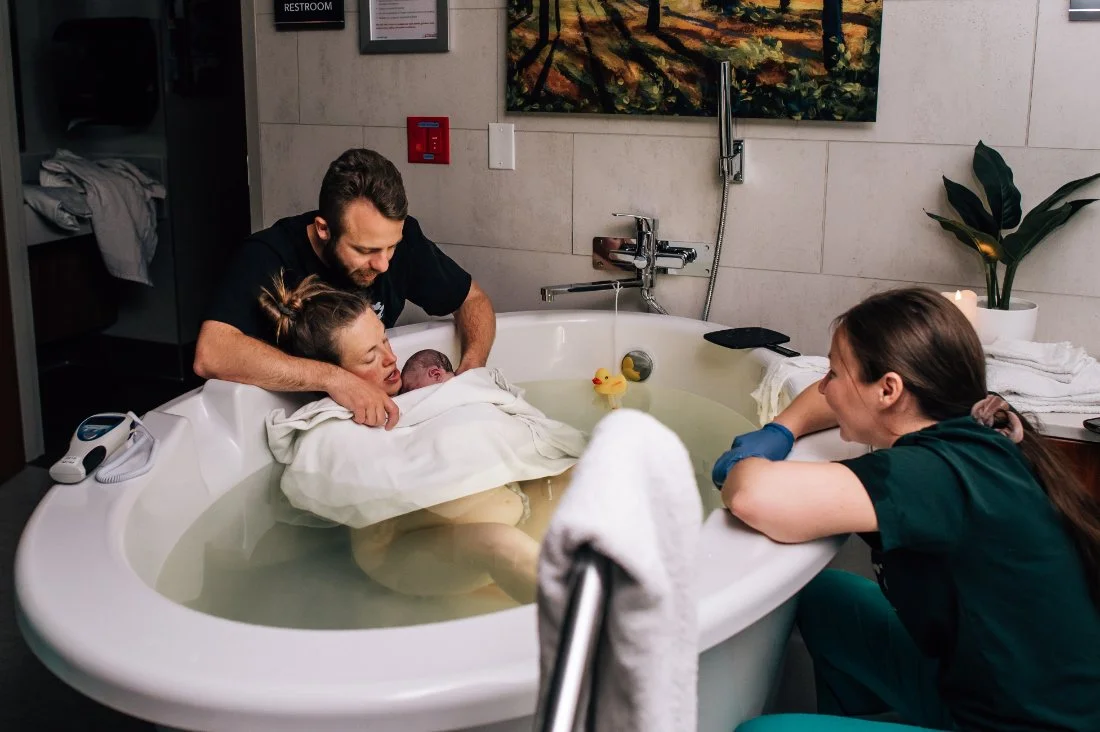
A trauma informed doula approaches support with curiosity instead of assumptions. Care is paced to you, not the system. Communication is clear and collaborative, and your choices are respected at every step. The goal isn’t to control the experience or steer it toward a certain outcome. The goal is to help you feel grounded, respected, and supported as birth unfolds.
Consent Based Communication and Rebuilding Trust
Many moms with difficult first births describe feeling like things happened too quickly or without enough explanation. Decisions may have been made for them rather than with them. Over time, those moments can erode trust in both the medical system and in one’s own body.
Consent based communication is foundational to trauma informed doula care. A trauma informed doula prioritizes clear explanations, checks in before offering hands on support, and supports both informed consent and informed refusal. Questions are welcomed. Pauses are honored. You’re reminded, gently and consistently, that you have choices.
For many parents, being asked instead of told can be deeply healing. It helps restore a sense of bodily autonomy and reminds you that your voice matters in your own birth.
Emotional Safety Beyond the Birth Room
Emotional safety doesn’t begin when labor starts, and it doesn’t end once the baby is born. Trauma informed support spans pregnancy, labor, and the postpartum period because all three are connected.
During pregnancy, this support may involve talking through previous experiences at your pace, identifying fears without trying to eliminate them, and building tools to navigate anxiety or overwhelm. This work helps many parents feel more connected to their bodies and more grounded as birth approaches.
During labor and postpartum, emotional safety looks like steady presence. A trauma informed doula stays attuned to emotional cues and responds with calm reassurance rather than urgency. Support continues after birth as emotions surface and the experience is integrated, without pressure to feel a certain way about it.
Trauma Informed Support During Labor
Labor can bring old sensations and emotions to the surface, especially if a previous birth involved fear or a loss of control. A trauma informed doula understands that labor isn’t only physical. It’s also emotional and neurological, and those layers deserve care.
During labor, trauma informed support may include:
Protecting your space and minimizing unnecessary interruptions
Advocating for you if something doesn’t feel right
Offering grounding touch only with clear, ongoing consent
Reminding you of your choices and options as labor unfolds
This care isn’t about managing labor or directing the experience. It’s about supporting you as a whole person, moment by moment, while your body does the work.

The Postpartum Period and Gentle Integration
The postpartum period can be especially tender after a difficult first birth. Sometimes emotions surface days or weeks later, once the adrenaline has faded and things slow down. Relief, grief, confusion, or mixed feelings are all common and valid.
A trauma informed doula understands that healing doesn’t end at birth. Postpartum support offers space to talk through the experience without needing to label it as good or bad. It honors that integration takes time and that you’re allowed to feel however you feel as you recover and adjust.
Healing Without Needing a Perfect Birth
There’s a quiet pressure many parents carry into a subsequent pregnancy. The idea that this birth needs to be redemptive. That it has to go a certain way to make the past okay.
Trauma informed care gently releases that expectation. A trauma informed doula knows that healing isn’t dependent on a specific outcome or type of birth. It happens when you feel heard. When your consent is respected. When you’re supported through uncertainty instead of pushed past it.
Sometimes the most healing part of birth isn’t what happens, but how supported you feel while it’s happening.
Is Trauma Informed Doula Support Right for You?
You don’t need to label your previous birth as traumatic to benefit from trauma informed care. If something about your last experience still feels unresolved, that’s enough.
This kind of support can be especially helpful if you’re feeling anxious during this pregnancy, want care that centers emotional safety and consent, or simply want to feel more supported and grounded as you prepare for birth again. A trauma informed doula meets you where you are, without expectations or judgment.

Moving Forward With Support
If you’re preparing for birth after a difficult first experience, know this. You are not broken. Your fears make sense. And you deserve care that honors everything you’ve been through.
Trauma informed support is about creating safety, trust, and steadiness as you move forward. Whether you’re still processing the past or simply hoping this birth feels different, I’m here for you. and honored to support families through this tender season.
And if you’re looking for encouragement, education, and real conversations around birth and healing, you’re always welcome to come say hi on Instagram or Facebook. You don’t have to walk this path alone.