
Becoming a Doula: How to Know If You’re Called to Birthwork
For many people, birth work begins as a quiet pull. Something that keeps showing up in the background of everyday life. A feeling that birth matters to you in a way that feels personal and hard to ignore.
You might notice that birth stories stay with you long after you hear them. You might feel deeply moved by the strength, vulnerability, and transformation that happens during labor. Or maybe you find yourself drawn to supporting others through big moments, even when you can’t explain why.
Hi, I’m Danielle. I’m a birth and motherhood photographer, a doula, and a doula mentor serving Cheyenne and Northern Colorado. I support families during birth, and I also work closely with people who feel called toward birthwork and aren’t sure what that calling means yet.
This guide is for anyone exploring the idea of becoming a doula and wanting to understand that pull more clearly. It’s not about convincing you that birthwork is the right path. It’s about helping you slow down, listen inward, and approach this possibility with honesty, curiosity, and care.
If this question keeps returning for you, it may be worth exploring.
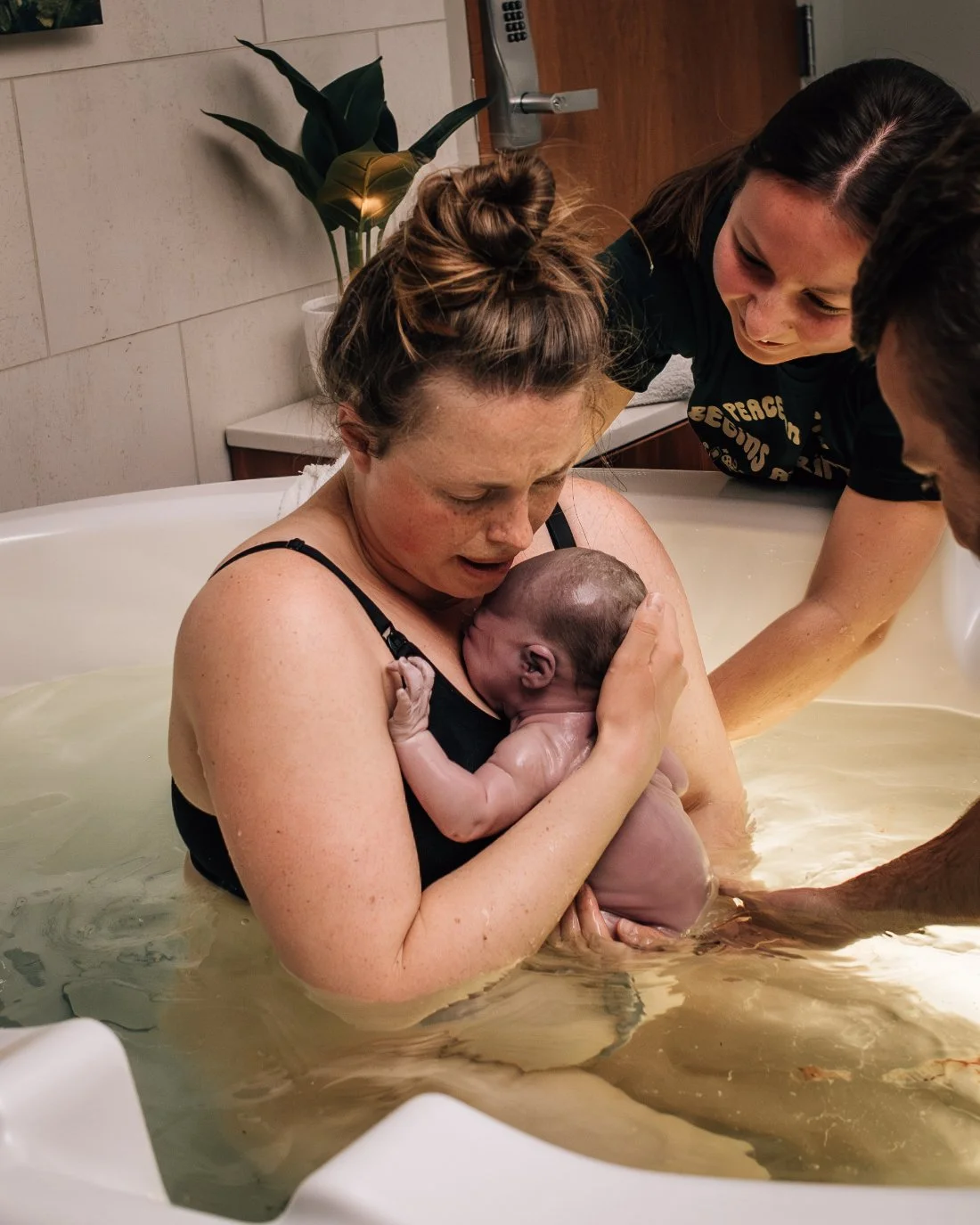
Doula Support in Fort Collins, Colorado
Fear and Imposter Syndrome When Becoming a Doula
Fear tends to show up early for people considering becoming a doula. Believe me, I know how that feels…. a became a birth worker a few months before I had even given birth myself!
You might question your ability to support others through something so intense. You might worry about not knowing enough, saying the wrong thing, or not being strong enough emotionally.
Imposter syndrome is incredibly common in birthwork. Many future doulas assume everyone else is more confident or more prepared than they are. The truth is that most people start with this uncertainty.
Doubt doesn’t mean you’re not capable. Often, it means you care deeply about doing the work well! Birthwork asks for humility, not perfection. It asks for presence, not certainty. Learning to sit with that discomfort is part of the journey.
Curiosity Versus Calling
It’s normal to feel curious about birth. Curiosity might lead you to watch videos, read stories, or follow birth workers online. Curiosity can open the door.
A deeper sense of calling usually feels different, though. It remains even when the work looks hard or inconvenient. It stays when you learn about long hours, emotional labor, and being on call. It doesn’t disappear when birthwork looks less polished and more real.
A calling doesn’t mean you feel confident or ready. It simply means something inside you recognizes the work as meaningful, even when it feels intimidating.
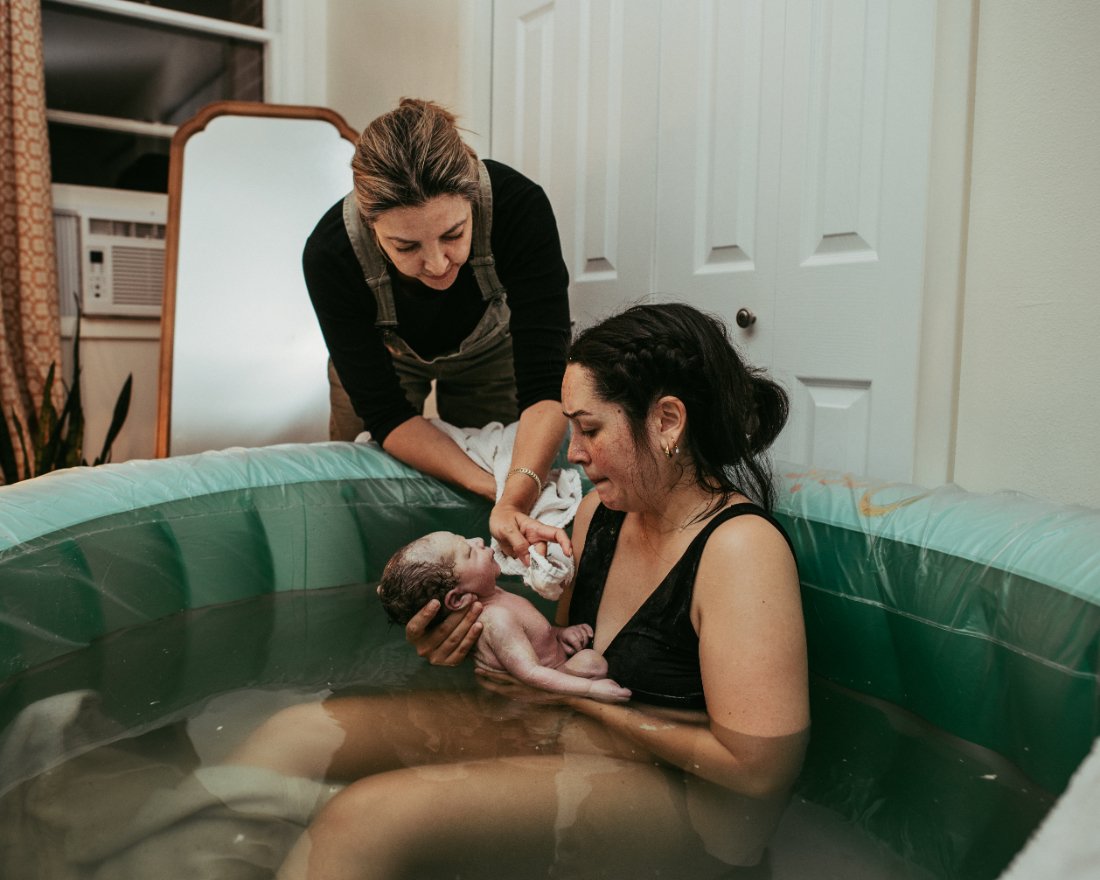

The Reality of Doula Work
Social media often shows birthwork as beautiful and emotional, and it can be. But becoming a doula also means understanding the parts that don’t get shared.
Doula work includes waiting, sometimes for days or weeks. It includes late nights, missed plans, and holding space for fear, grief, or disappointment. It sometimes means walking with a family through the death of a child. It can mean secondhand trauma.
As a doula, sometimes my life comes knocking, and I am unable to answer. The harsh reality of on-call work.
Understanding this reality is an important part of becoming a doula in a sustainable way.
Foundational Skills for Becoming a Doula
Many people assume becoming a doula requires having the right techniques or the perfect words. While education matters, the most important skills are often quieter.
Intuition helps you read the room and respond thoughtfully. Compassion allows you to support without judgment or agenda. Presence keeps you grounded when things feel intense or uncertain. Humility is a must.
These skills are not something you either have or don’t have. They develop over time through self reflection, experience, and guidance. Birthwork asks you to know yourself as much as you know the process of birth.
Exploring Becoming a Doula Slowly and Intentionally
There is no rush to become a doula. Moving slowly and intentionally can be one of the healthiest ways to enter birthwork.
I meet so many aspiring doulas who’ve yet to explore birth work because it’s not the perfect time. And to them I say: “so what?”
You don’t have to jump into a full time doula career. Exploration might look like attending births as a support person, taking an introductory training, or talking openly with people already doing the work. It may also involve reflecting on your own experiences with caregiving, birth, or holding space for others.
As a doula mentor, I support people at many different stages. Some are just beginning to ask the question. Others are preparing for training and want guidance along the way. There is no single right timeline, and there is no one correct path.
The Role of Mentorship
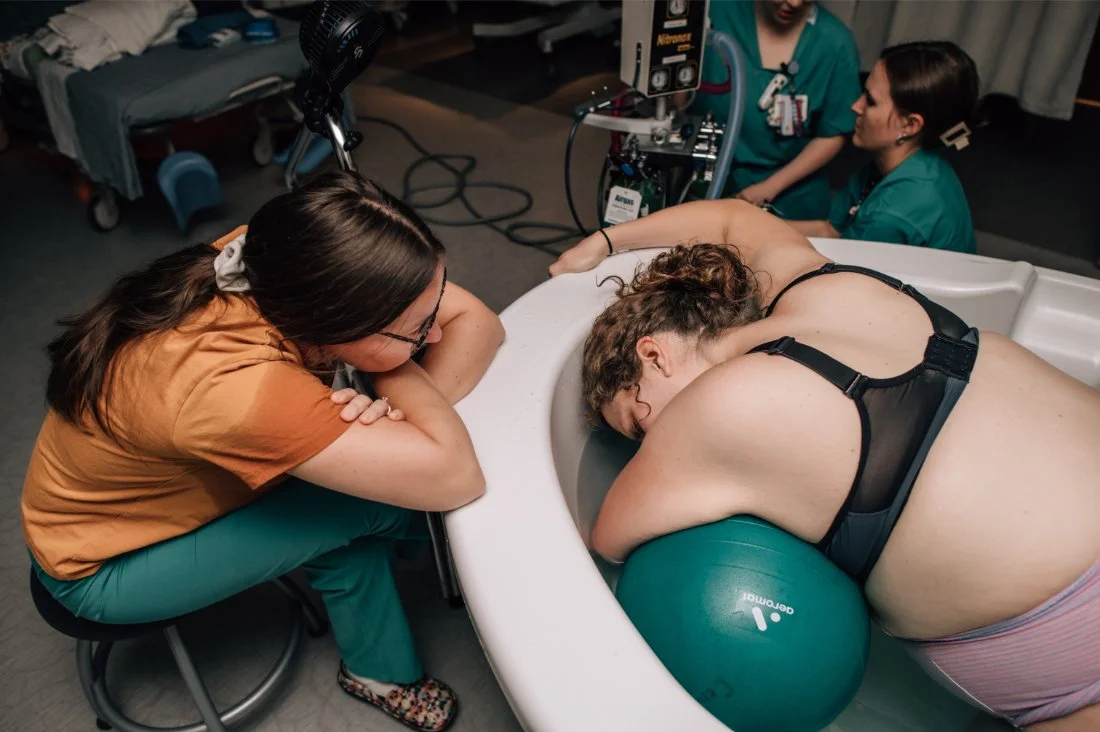
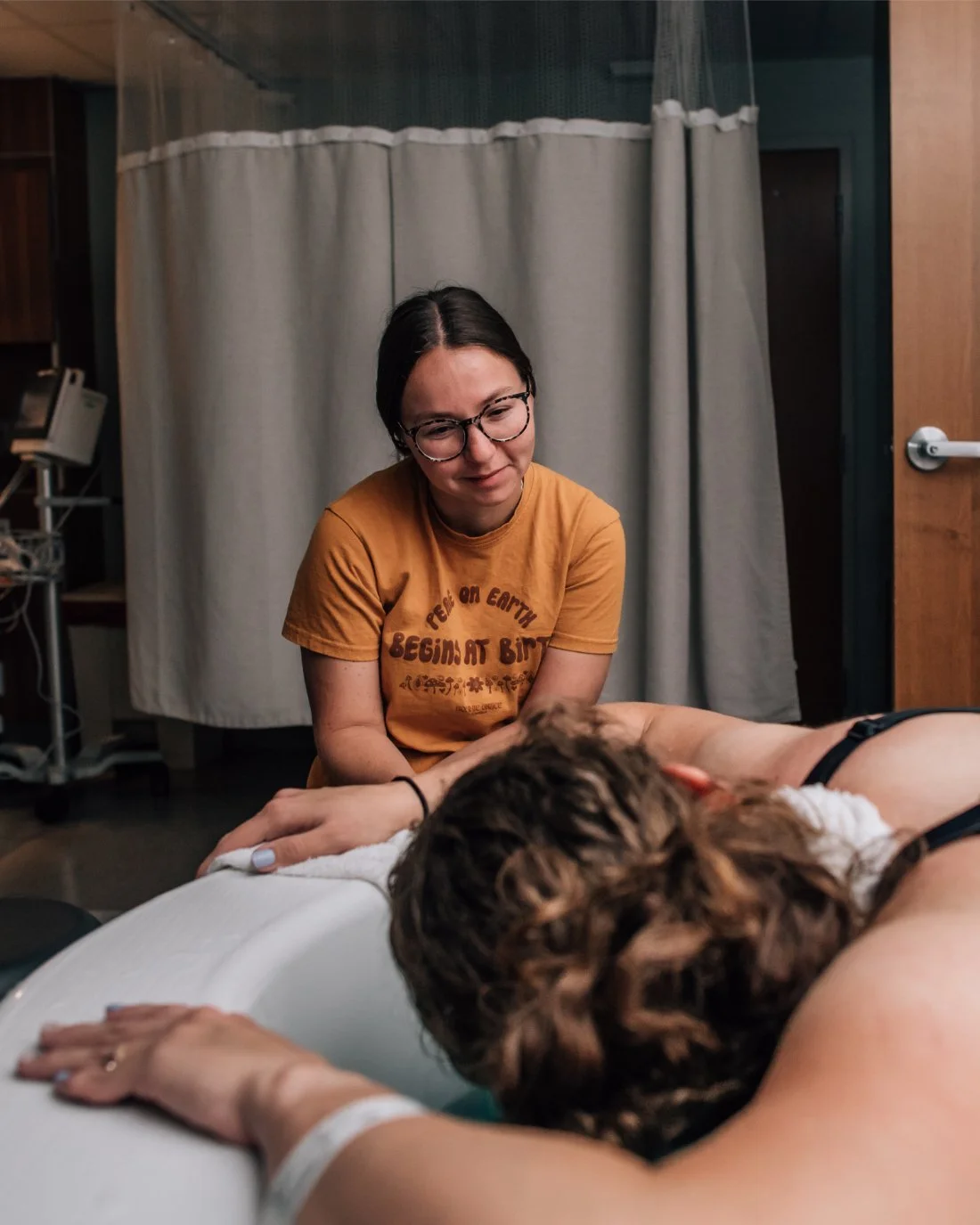
One of the biggest challenges in becoming a doula is feeling like you have to figure everything out alone. Birthwork can feel isolating without support. Most of us take an online training or weekend intensive, and then BOOM, we’re expected to jump into the birth room.
Mentorship offers a place to ask questions honestly, process experiences, receive guidance during a real birth, and receive grounded feedback. It helps normalize the fears and doubts that come with this work and provides perspective when things feel overwhelming.
I believe strongly in mentoring future doulas with transparency and care. This work carries responsibility, and how you enter into it matters just as much as the work itself.
FAQs About Becoming a Doula
Do I need to have given birth to become a doula?
No. Personal birth experience is not required, though sometimes it can be helpful. The ability to offer presence, respect, and support matters far more.
Is becoming a doula emotionally heavy?
It can be. Birthwork involves holding space for intense moments, often while sleep deprived. The line is thin between birth and death, and you may walk with a family through the death of their child. While birth work is often happy and fulfilling, ongoing support, reflection, and boundaries are essential for sustainability.
How do I know when I’m ready to begin?
Readiness often looks like curiosity paired with commitment. You don’t need to feel completely prepared to take the first small step.
Can birthwork exist alongside other work?
Yes. Many doulas balance birthwork with photography, mentoring, motherhood, part-time jobs in other fields, or other supportive roles. There are many ways to shape this path.
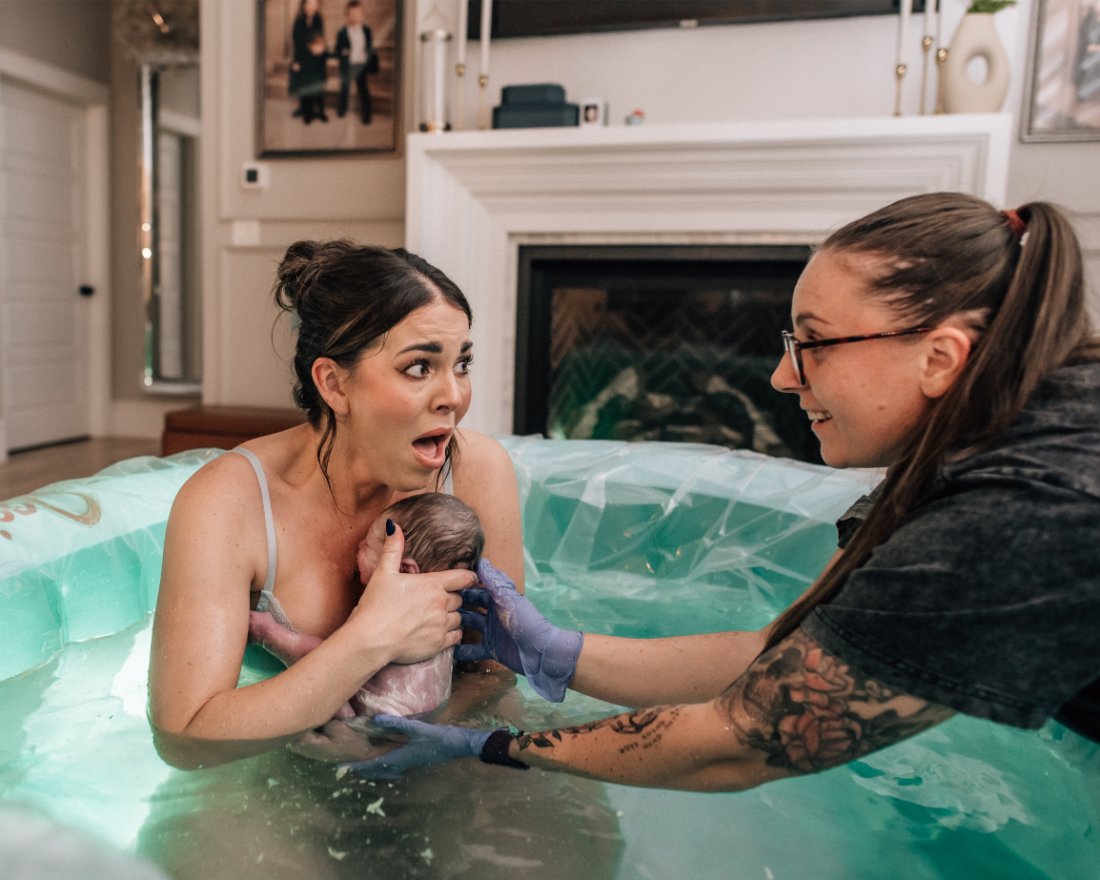
Cheyenne Doula Training
Moving Forward With Becoming a Doula in Cheyenne
If becoming a doula has been sitting with you for a while, it’s okay to take that seriously without rushing to a conclusion. You’re allowed to explore slowly. You’re allowed to ask questions. You’re allowed to change your mind.
If you’re in Cheyenne, Fort Collins, or Northern Colorado, and are looking for honest guidance, thoughtful mentorship, or a space to talk through what birthwork could look like for you, I’m here. Supporting families through birth and mentoring future doulas is work I hold with deep care and respect.
And if you’re looking for encouragement, real conversations, and insight into birth, motherhood, and birthwork, you’re always welcome to come say hi on Instagram or Facebook. However this unfolds, you’re allowed to explore it with support and intention.